What is the difference inside the sweatshirt?
CottonWorks explains that French terry has float loops on the back and describes the un-napped two-end construction as a form of fleece. Brushing, also called napping, changes those interior loops into the fleecy surface associated with brushed sweatshirt fabric. Here, fleece means sweatshirt fleece; the comparison is not a guide to every fabric sold under that name.
That distinction gives you a useful first question for a supplier: should the inside retain visible loops, or should it have a raised surface? Ask for photographs of both sides and a physical swatch. A front-facing product image may communicate the graphic and silhouette while leaving this decision unresolved.
Sources: CottonWorks / Cotton Incorporated
Does French terry mean pure cotton or a light garment?
No. Nike’s US Club French Terry Hoodie, style IM5540-063, lists a body composition of 80% cotton and 20% polyester, with loops on the interior. This named product demonstrates why French terry and fiber content belong in separate fields. Its composition is an example, not a specification for Kylie’s fabrics.
American Giant describes its Relaxed French Terry Crew in Metropolitan Grey as a lighter option for cool conditions. That is the brand’s positioning for that particular garment, not a universal temperature rating for French terry. CottonWorks also notes that French terry comes in different weights.
For your US-facing collection, describe the wearing situation before choosing a material: an indoor everyday crewneck, a sweatshirt for cool outdoor evenings, or a piece intended beneath another layer. Ask the supplier to propose candidates for that use. Do not promise a temperature range or a measurable warmth advantage without evidence for the actual garment.
Sources: Nike · American Giant · CottonWorks / Cotton Incorporated
What does the latest fall coverage actually show?
Valet’s September 28, 2026 crewneck roundup includes both fleece and French terry products. It is a recent editorial selection, with affiliate links, rather than a measurement of sales or search demand. It provides a timely reason to examine sweatshirt materials, but it does not establish which interior US buyers prefer.
Our recommendation is to use seasonal references to clarify a product idea. Save the feature you want to explore—such as an exposed looped reverse or a plush interior—and turn it into a material question. Keep the commercial forecast separate until your own customer research or comparable market data supports it.
Sources: Valet
Compare two swatches without changing every variable
We recommend a side-by-side comparison record with one column for each candidate. Label both swatches with the supplier’s reference and identify the intended outside and inside. Ask whether they represent the proposed finished material or an earlier development stage. Record missing information as an open question, not an assumed match.
When possible, request candidates close in composition and weight so the interior difference is easier to discuss. If that is unavailable, record every known difference. Choosing between two commercial fabrics is still useful; claiming that brushing alone caused every difference in their feel or appearance would be a much stronger conclusion.
Use the same questions for both candidates. The following is our proposed buying worksheet, not a laboratory test or a universal pass standard.
- Identity: supplier code, color, sample date and finish version; retain the matching physical swatch.
- Construction: the supplier’s fabric description, visible reverse structure and whether the interior is brushed.
- Composition and weight: confirmed fiber percentages, the weight value and its unit; ask what any ounce figure measures.
- Surface preference: which inside feel suits the brief, and which outside surface suits the intended appearance?
- Garment question: what remains to be checked once the chosen material is sewn and decorated?
- Decision: preferred candidate, reasons, unresolved details and whether another swatch is required.
Move the preferred material into a representative sample
Once you prefer a swatch, request a sample with the proposed sweatshirt pattern and decoration. Evaluate how it hangs, how the inside feels against the intended underlayer, and whether the result still matches the use case. Keep subjective notes specific: “prefer the feel of candidate A against a tee” is more informative than “A is better quality.”
Include a decoration trial on the proposed material when the design needs one. Ask the decorator to confirm the process and review the finished surface, rather than treating approval of a plain swatch as approval of the graphic. Keep the body-material decision separate from the collar, cuff and hem specification; our rib guide covers those trim questions.
Agree a care-review procedure before comparing the sample afterwards. Record the wash and drying conditions, inspect the inside and outside, and note changes in dimensions or appearance. If shedding, pilling or another durability concern matters to the product claim, ask a qualified testing provider which assessment and acceptance criteria fit the requirement. A casual wear check does not establish a laboratory result.
Write the material choice into the production brief
A hypothetical brief might say: “Crewneck with an unbrushed loopback interior; use the approved swatch reference and confirm composition, weight and finish before sampling.” A brushed version should identify its own approved interior reference. Neither brief needs an invented universal fabric weight to be useful.
Before moving forward, record which details are approved and which still need confirmation. If the proposed material changes, compare the replacement with the retained reference and decide whether the garment or decoration needs another review. This makes the chosen interior traceable through development without pretending that a fabric label guarantees the outcome.
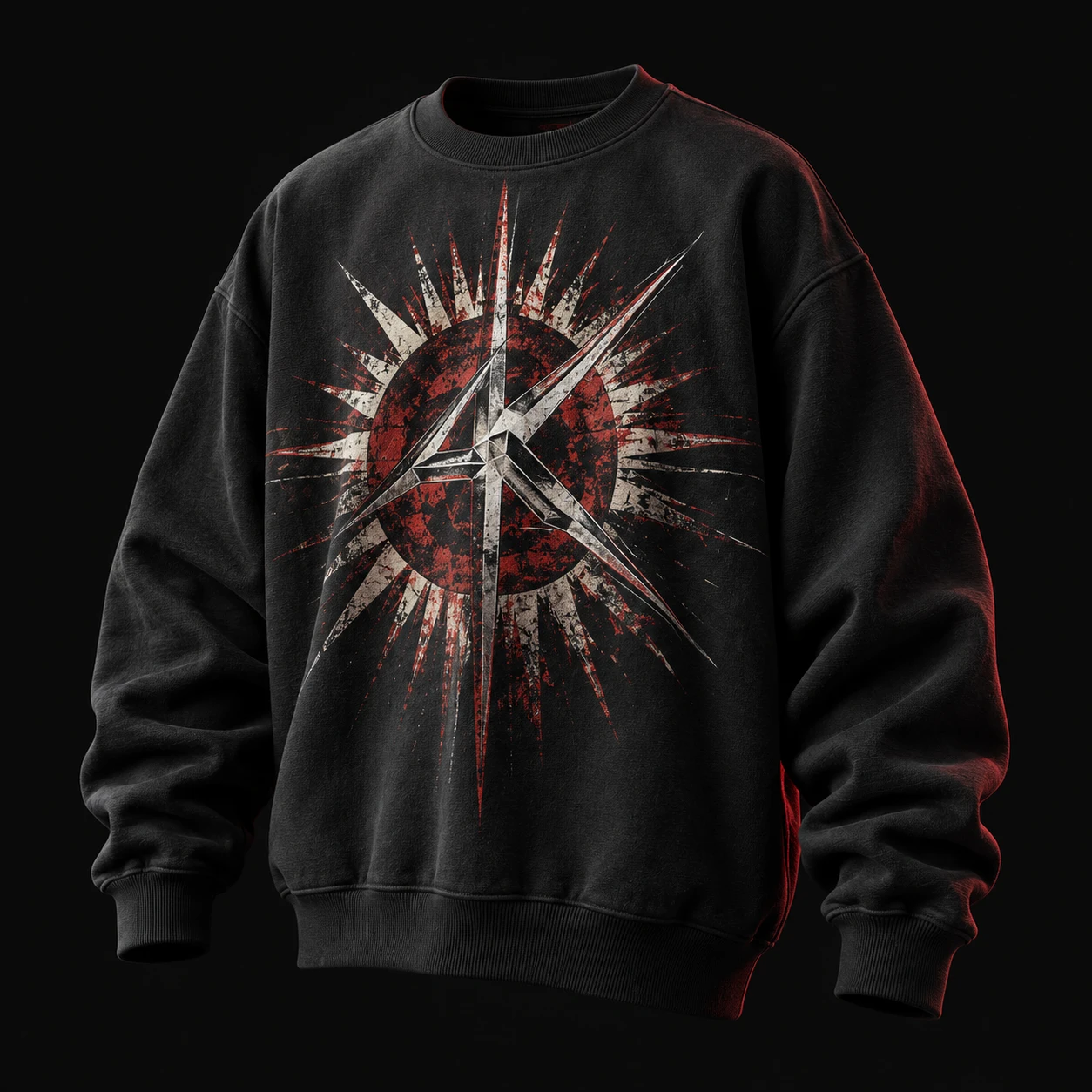
Send Kylie Industry your sweatshirt design, intended wearing situation, preferred interior reference, artwork and quantities by size and color. Ask which materials and sampling arrangements are feasible for your project. Confirm pricing and timing in the quotation; the design illustration on this page does not demonstrate an inspected fabric or a tested production sample.
Continue your brief
Research and sources
This guide combines published source material with practical specification recommendations. It is not a physical test of the products mentioned. Product examples are references, not endorsements or affiliations.
- Single & Double Knits — CottonWorks / Cotton Incorporated. Checked 2026-09-29.
- Nike Club Men’s French Terry Hoodie, IM5540-063 — Nike. Checked 2026-09-29.
- Men’s Relaxed French Terry Crew — Metropolitan Grey — American Giant. Checked 2026-09-29.
- Your Fall Foundations: It’s Officially Sweatshirt Weather — Valet. Checked 2026-09-29.