
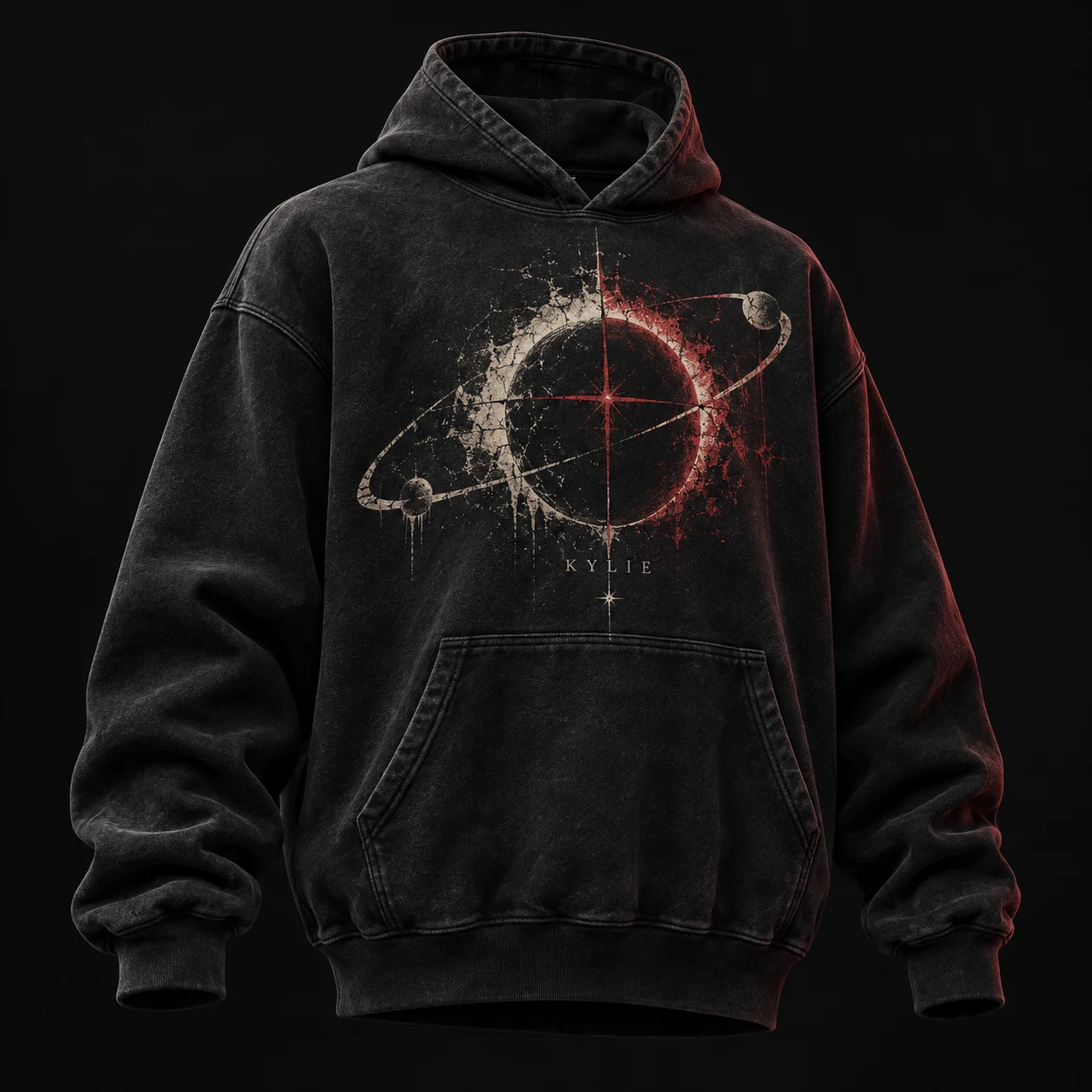
Separate the component specification from the assembled front
A UK label selecting a relaxed zip hoodie may first notice the zip colour, puller and silhouette. Those choices do not show how the front behaves after sewing and finishing. Our recommendation is to retain the already-agreed opening and component reference, then create a separate front-assembly approval. This guide concerns that compatibility decision; it does not replace the zip-function and measurement schedule linked below.
Identify the zip tape, body fabric, facing or reinforcement, front edge and hem rib on a simple drawing. Record the sample size and all completed finishing stages. If the proposed hoodie is garment washed or otherwise treated, distinguish an untreated development sample from the condition intended for delivery. A clean-looking loose zip and an accepted body swatch still leave the joined front unassessed.
Ask how the tape and garment respond to the intended treatment
YKK's usage manual warns that cotton tape can shrink during processing and that an insufficient match between zip tape and garment fabric can result in puckering. It advises pre-production checks with the specific garment treatments. Its reference test figures belong to the described examples and conditions; they are not universal shrinkage values for a Kylie hoodie or every zip tape.
Buyer application: ask the manufacturer to identify the proposed tape material and whether the assembled sample represents the intended processing route. Keep that answer with the component reference. Do not choose a replacement tape solely because its colour or nominal zip length matches. Ask what changed and whether a new assembled trial is needed. If the body fabric, facing or rib changes while the zip stays the same, reopen the affected front-compatibility decision rather than assuming the earlier sample still represents it.
Sources: YKK
Record the shape without diagnosing the machine from a photograph
Coats explains that post-sewing treatment or washing can produce puckering where garment components respond differently. Its guidance also identifies uneven feeding and relaxation after materials have been stretched during sewing as possible contributors. This means a visible wave does not identify one cause without examining the actual materials and sewing route.
Our suggested first review lays the hoodie naturally flat without pulling the front straight. Photograph the closed front, then the opened front and its inside construction under agreed viewing conditions. Mark the location of each observation: upper front, pocket level, lower front or the junction with the hem rib. Record twisting, gathering or misalignment in plain terms. Ask the production team to investigate the affected assembly and propose an identified trial; avoid prescribing a machine adjustment from a remote image alone.
Sources: Coats
Compare the same front landmarks across sample states
Use an original front-alignment record with consistent landmarks. Suggested references are the agreed top and bottom of the zip assembly, the left and right hem-rib junctions, the pocket edges where present and the facing edge. Show the viewing side and whether the zip is open or closed. Record measurements only where the method and endpoints have been agreed with the supplier.
Repeat the record for the production-representative finished sample and for the agreed post-care sample, keeping the garment size and component identities visible. Compare how the body and rib meet the fastening and whether the facing remains as intended. Do not stretch the garment into alignment for one photograph and leave it relaxed for another. If a front appears shorter or more gathered, request supporting measurements and an investigation before attributing the change to one component. The purpose is a traceable comparison, not a universal tolerance imposed by this article.
Keep appearance assessment distinct from a sewing remedy
ISO 15487:2018 addresses appearance assessment of apparel after domestic washing and drying, including seam smoothness and component damage such as slide-fastener damage. Its scope does not prescribe seaming techniques. The current public listing still identifies the 2018 edition as published and shows a draft replacement under development; agree the applicable edition and procedure with the assessor before commissioning formal work.
Buyer application: identify the intended care treatment and review conditions before the sample is assessed. Keep the appearance result, zip operation review and dimensional measurements as separate observations. A garment can require a front-appearance revision even when its slider operates, or an operating correction even when the front looks acceptable. A buyer's visual worksheet is not a laboratory certificate. No formal assessment, wash trial or zip-performance test has been performed for this article, and no universal pass grade is claimed.
Release the complete front against an identified reference
Use the following original checklist to close the front-assembly decision. Give every proposed correction a new trial reference and retain the earlier observations. Ask which material, component or assembly detail changed; changing several items at once without a record makes it harder to understand what the accepted sample represents.
- Identity: hoodie style, size, body fabric, facing, rib and exact zip reference.
- Sample state: sewing, finishing and treatment stages already completed.
- Landmarks: agreed front locations, viewing configuration and measurement endpoints.
- Observations: alignment, waves or gathering, inside finish and zip operation.
- Comparison: before-and-after records under the agreed care and viewing conditions.
- Release: accepted assembly revision, reviewer, date and any open garment sizes or colourways.
Send a precise zip-hoodie sample enquiry
Send Kylie Industry the silhouette reference, quantities, size range, colourways, destination and intended finish with the front-assembly drawing and review priorities. State which observations the next sample must resolve and ask which component options and assessment arrangements can be included in the quotation. The article does not establish Kylie tape specifications, testing capability, minimum quantities, prices or delivery timing.
Before bulk approval, connect the accepted physical hoodie and component record to the final order revision. If a later zip, facing, rib or fabric substitute is proposed, identify which compatibility checks need repeating. Keep the approved opening-length schedule alongside this record so a front-appearance correction does not silently change the intended fastening design. Release the combination that both parties have actually reviewed, with unresolved details left visible.
Continue your brief
Research and sources
This guide combines published source material with practical specification recommendations. It is not a physical test of the products mentioned. Product examples are references, not endorsements or affiliations.
- YKK Zipper Usage Instruction Manual — Caution of Cotton Tape Zippers — YKK. Checked 2026-11-04.
- Eliminating Seam Puckering — Coats. Checked 2026-11-04.
- ISO 15487:2018 — Appearance after domestic washing and drying — International Organization for Standardization. Checked 2026-11-04.