
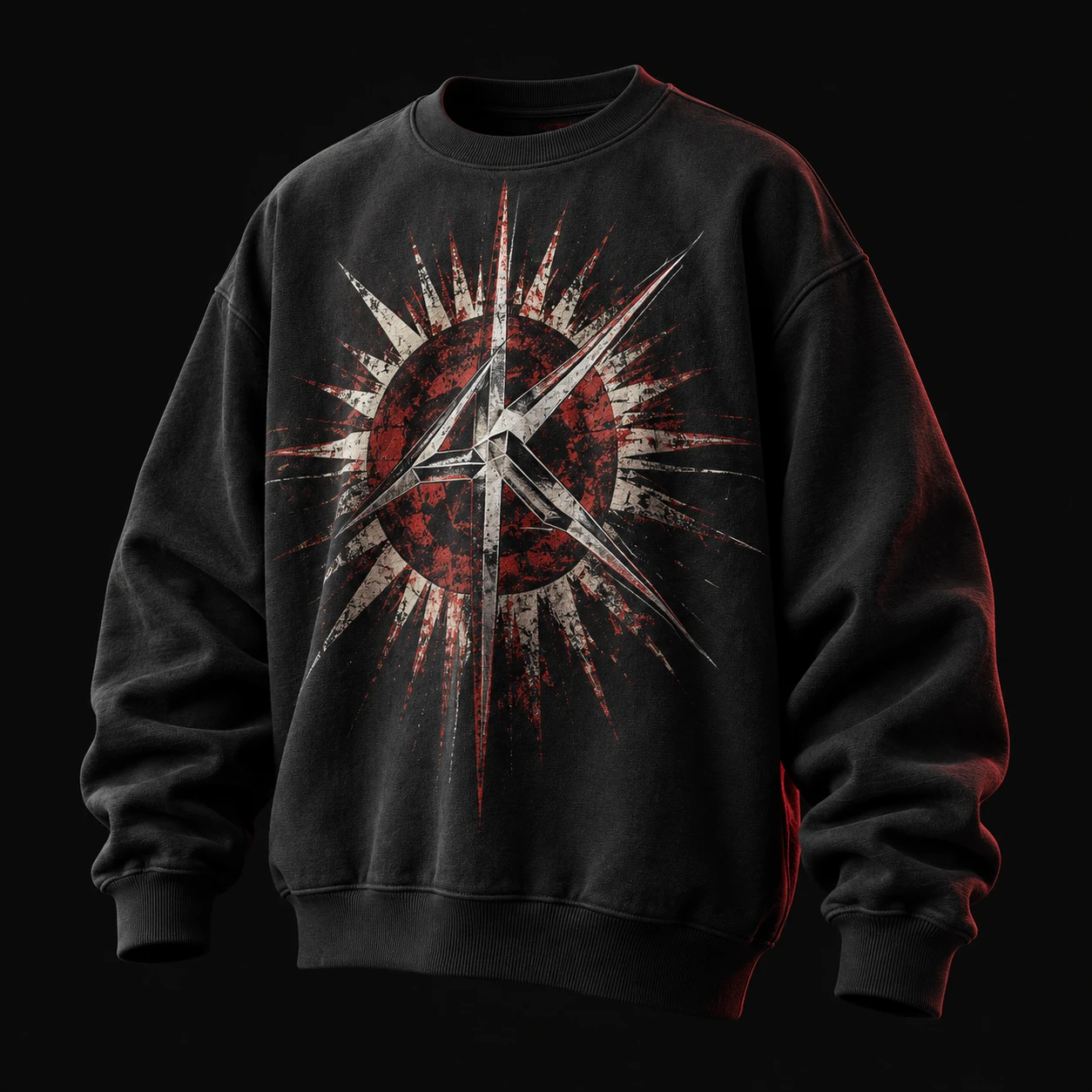
Start with the fabric question you need answered
For a Canadian clothing brand developing a crewneck, the useful question is more precise than whether a sweatshirt is strong. You may need evidence for a proposed body material, an explanation of a supplier's existing report, or a consistent assessment of two candidate fabrics. Write that purpose into the request before commissioning work. This guide concerns fabric rupture evidence; surface pilling, fit after care and garment construction require their own decisions.
RISE describes bursting-strength testing as an option for stretchable materials, or materials otherwise unsuitable for tensile testing. That makes it a relevant method to discuss with a laboratory when evaluating a knit sweatshirt fabric. It does not mean every sweatshirt requires the same test programme. Ask the laboratory to match the assessment to the material and intended question.
Sources: RISE Research Institutes of Sweden
Read the method before comparing the headline result
ISO 13938-2:2019 describes a pneumatic method covering fabric bursting strength and bursting distension. Its public abstract includes knitted fabrics and allows conditioned or wet specimens. ASTM D3786/D3786M-18(2023) describes resistance to bursting with a hydraulic or pneumatic diaphragm tester. These descriptions identify relevant methods, but a supplier's shorthand entry saying only 'burst tested' leaves essential context unresolved.
Our recommendation is to retain the original report and ask for the complete standard designation, edition and apparatus description. If two reports use different methods, have the testing provider explain whether the results can support your intended comparison. Do not assume that a shared word in the test name makes the reports interchangeable. Equally, a different method name is a question for technical review, not automatic proof that one material failed.
Sources: International Organization for Standardization · ASTM International
Keep strength, distension and specimen state in separate fields
Because ISO 13938-2 addresses both strength and distension, ask which property each reported value represents and retain its unit. Avoid collapsing the entire report into a single 'strength score'. Keep any qualifications beside the result rather than moving them to a separate folder that the person approving the fabric may never see.
Also record whether the specimens were conditioned or wet and what preparation the report identifies. A wet-state result and a conditioned-state result should remain visibly different entries until the laboratory explains their use. If your buying question concerns material after an agreed care treatment, request an assessment plan for that question; do not silently relabel an as-received report as evidence after washing. This is a proposed evidence-management approach, not instructions for conducting the test.
Map the report to the sweatshirt, not just the style name
We recommend a component coverage record alongside the design drawing. Identify the actual material submitted for testing and connect it to a supplier code, colour and finish version. Then mark the garment parts it represents. A report for one body material should not acquire a wider scope simply because the same style also contains a collar, cuff, hem band or graphic.
SGS separates its durability services into assessment of materials and parts, material performance, and final-product longevity. That distinction supports keeping different evidence levels visible. The following coverage record is our own buying worksheet; it does not claim that any named laboratory has assessed a Kylie garment.
- Body panel: attach the report and exact tested fabric reference; record whether it matches the proposed finished material.
- Collar, cuff and hem rib: identify their separate material references; mark whether the body report includes any of them.
- Seams and joins: list the construction questions still requiring a sample review or an appropriate assessment agreed with the laboratory.
- Decorated area: record whether the tested material included the proposed decoration and its completed processing stages.
- Complete sweatshirt: keep the garment sample reference and outstanding approval decisions separate from the fabric report.
Sources: SGS
Use an unresolved report as a clarification task
Imagine a hypothetical development meeting with two candidate sweatshirt materials. One report identifies a conditioned specimen and a complete method designation. The other gives a bursting result but omits the specimen state and the tested colour reference. The second fabric is not necessarily unsuitable. Its documentation does not yet establish a like-for-like comparison or a clear connection to the proposed garment.
Our suggested next step is to return the missing fields to the supplier against the report number. Ask the laboratory to review any remaining method differences and explain what further evidence would resolve them. Give each open question an owner and a decision date. Keep the fabric selection pending where the missing information matters, rather than inventing a universal minimum number to settle the meeting.
Do not translate a rupture result into a lifetime promise
ASTM's public discussion of D3786 notes that clamping prevents the kind of load transfer and stretch occurring when knitted goods are worn. That is a specific reason to keep a laboratory fabric result distinct from a claim about everyday garment life. A report should not become a promise of a certain number of seasons, or proof that every other quality concern has been addressed.
Agree the acceptance criteria and their intended use with the supplier and qualified testing provider before ordering an assessment. Keep separate records for surface appearance, care behaviour, construction and decoration. The linked pilling and sweatshirt-interior guides cover related decisions; neither substitutes for a bursting-strength assessment. To discuss a project with Kylie Industry, send the design, proposed fabric references, available reports and unresolved coverage questions. Ask which sampling and assessment arrangements can be discussed, then confirm scope, price and timing in the quotation.
Sources: ASTM International
Continue your brief
Research and sources
This guide combines published source material with practical specification recommendations. It is not a physical test of the products mentioned. Product examples are references, not endorsements or affiliations.
- ISO 13938-2:2019 — Bursting properties of fabrics, pneumatic method — International Organization for Standardization. Checked 2026-11-05.
- ASTM D3786/D3786M-18(2023) — Diaphragm bursting strength tester method — ASTM International. Checked 2026-11-05.
- Bursting strength and elongation — RISE Research Institutes of Sweden. Checked 2026-11-05.
- Durability in Textiles and Clothing — SGS. Checked 2026-11-05.